
If you just found out you need a root canal—a routine procedure where a dentist removes infected pulp from inside a damaged tooth to save it from extraction—your first thoughts are likely: “Will it hurt?” and “How much is this going to cost?” Let’s clear up the biggest myth right away. Thanks to modern dental technology and advanced local anesthetics, getting a root canal today is virtually painless, feeling no different than receiving a standard cavity filling. As for the financial side, this guide outlines exactly what a root canal costs in Pune in 2026, what factors influence that price, and what is included in your care.
I am Dr. Rohan Deshpande, MDS in Prosthodontics and Crown and Bridge, practicing at Orion Dental Specialities in Kothrud. Our clinic believes that transparent pricing is just as vital to your peace of mind as providing high-quality, comfortable clinical care. In Pune, the base cost for the procedure typically ranges from ₹2,500 to ₹8,000. However, the exact investment depends heavily on which tooth needs treatment and the specific technology used. Let’s look closer at what determines these costs so you can plan your visit with absolute confidence.
What Is a Root Canal, and Why Might You Need One?
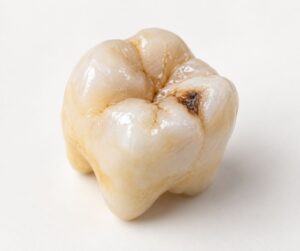
Inside your tooth is a soft tissue called pulp that contains nerves and blood vessels. When deep decay or injury allows bacteria to enter, this pulp becomes inflamed or infected. A root canal treatment simply removes this damaged tissue, thoroughly cleans and disinfects the spaces inside, and seals them to prevent future issues.
Instead of pulling the tooth, this procedure saves your natural smile. You might need one if you experience common warning signs like a persistent, deep toothache, pain when chewing, prolonged sensitivity to hot or cold drinks, swollen gums, or a tooth that begins to look dark and discolored.
How Much Does a Root Canal Cost in Pune? (The Quick Answer)
| Treatment | Representative 2026 Pune Range | Notes |
| Front tooth (incisor or canine, 1 to 2 canals) | 3,000 to 4,000 | Fewer canals, usually simpler |
| Premolar (2 canals) | 4000 to 4500 | Moderate complexity |
| Molar (3 to 4 canals) | 5,000 to 6,000 | Most canals, most complex |
| Single-sitting root canal | 4,000 to 5,000 | Completed in one visit with rotary or advanced tools |
| Re-treatment of a failed root canal | 8,000 to 10,000 | More complex than a first-time treatment |
| Root canal plus crown (together) | 12,000 to 20,000 | Depends on crown material: metal, ceramic, or zirconia |
Note: these are representative 2026 Pune ranges for guidance only. Please do not quote exact Orion fees here. Direct cost questions to a consultation.
What Your Root Canal Price Includes
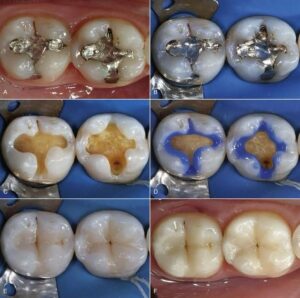
A standard root canal treatment is a highly systematic procedure designed to eliminate infection while saving your natural tooth. When performed at a modern clinic, the process is broken down into the following clinical steps:
1. Diagnostics & Numbing
Before any work begins, the dentist takes digital X-rays to map the shape of your root canals and see the extent of the infection in the surrounding bone. Next, a local anesthetic is administered. This completely numbs the tooth and surrounding tissue, ensuring you feel nothing more than mild pressure during the procedure.
2. Setting Up Isolation
Once the tooth is entirely numb, the dentist places a dental dam (a small, protective rubber sheet) over the area. This isolates the specific tooth being treated, keeping it completely dry, sterile, and free of saliva, while preventing any dental debris or rinsing solutions from entering your throat.
3. Creating Access
Using specialized, high-precision tools, the dentist creates a small access opening through the top (or crown) of your tooth. This exposes the inner pulp chamber where the damaged nerves and blood vessels reside.
4. Cleaning & Shaping the Canals
Using ultra-fine, flexible instruments called endodontic files, the dentist carefully removes the infected or dead pulp tissue from inside the pulp chamber and down the narrow root canals. The canals are then gently widened and shaped so they can be easily filled later.
5. Thorough Disinfection
Throughout the cleaning process, the interior of the tooth is heavily flushed with antimicrobial rinsing solutions. This step is critical; it washes away microscopic debris and completely disinfects the root system to eliminate any remaining bacteria.
6. Filling & Sealing the Roots
Once the canals are clean and dry, they are filled with a biocompatible, rubber-like material called gutta-percha. Combined with a medical-grade sealer cement, this material is packed tightly into the empty canals to create a hermetic, airtight seal that blocks future bacteria from entering.
7. The Temporary Filling
To close the initial access opening on top of the tooth, a temporary filling is placed. This protects the inside of your tooth from food particles and bacteria while the area settles over the next few weeks.
What Decides Your Root Canal Cost
Short intro line, then a bullet list in your own voice.
- Which tooth it is. Front teeth have fewer canals and cost less. Molars have three or four canals and take longer.
- Number of canals and complexity. Curved or narrow canals take more skill and time.
- Infection severity. A badly infected tooth may need extra visits or medication.
- First-time treatment or re-treatment. Redoing a failed root canal is more complex and costs more.
- Technology used. Rotary instruments and magnification can change the cost.
- The crown afterwards. Most back teeth need a crown after a root canal, which is a separate cost.
Single-Sitting vs Multi-Visit Root Canal
The choice between a single-sitting and multi-visit root canal is purely clinical, not just a matter of convenience.
A single-sitting treatment is highly efficient, completing the cleaning, disinfecting, and sealing in one single appointment. This approach works beautifully for straightforward cases where the infection hasn’t spread deep into the bone.
However, if a tooth has a severe abscess or long-standing infection, it is safer to split the procedure over two visits. During a multi-visit treatment, your dentist places a protective medication inside the canals to actively fight the bacteria for a week before finishing the final seal. Your dentist will advise which path ensures the longest life for your tooth.
Do You Need a Crown After a Root Canal?
Once a root canal removes the infected internal pulp, the tooth loses its natural blood supply and hydration. Over time, this treated tooth—especially a heavy-chewing back molar—becomes brittle and highly susceptible to cracking under everyday biting pressure.
To protect it, a dental crown (or cap) is usually necessary to completely encase and reinforce the structure. Please note that the crown is a separate cost from the root canal procedure itself; however, skipping it risks fracturing the tooth, which could lead to an unavoidable extraction later.
Does a Root Canal Hurt?
With modern anaesthesia, the treatment itself is usually comfortable and similar to having a filling. Mild soreness for a day or two afterwards is normal and settles with simple pain relief. Please avoid the word painless. Use comfortable or virtually pain free instead.
What Happens If You Delay Treatment
Putting off a root canal might temporarily avoid the dental chair, but internal infections do not heal on their own. Over time, bacteria will travel down the roots and into the surrounding jawbone, creating a painful, swollen pocket called an abscess.
Eventually, the tooth structure degrades so severely that a root canal is no longer an option, leaving extraction as the only choice. Factual reality shows that losing a tooth is always more expensive; replacing it later with a dental bridge or implant requires significantly more time, multiple surgical steps, and far higher financial costs than saving your natural tooth today.
Payment Options
Fee of the root canal treatment can be paid in two equal installments.
Frequently Asked Questions
Use a question and answer format. Each answer around 40 to 70 words, in your clinic voice. Please keep the exact question text and adjust the answers as you wish.
Q: How much does a root canal cost in Pune?
It depends on the tooth. A front tooth with one or two canals costs less than a molar with three or four. Most root canals in Pune fall between 4,000 and 12,000, and a crown afterwards is a separate cost. An examination gives the accurate figure.
Q: Is a single-sitting root canal safe?
yes, for many cases. A single-sitting root canal is completed in one visit and works well for straightforward teeth. Heavily infected teeth are sometimes safer over two visits. Your dentist will advise what is best for your tooth.
Q: Do I really need a crown after a root canal?
Usually yes, especially for back teeth. A treated tooth becomes more brittle and a crown protects it from cracking. Skipping the crown is a common reason treated teeth fail later. We will tell you honestly if your tooth needs one.
Q: Does a root canal hurt?
With modern anaesthesia the treatment is usually comfortable, much like a filling. Some mild soreness for a day or two afterwards is normal and settles with simple pain relief. The procedure relieves the pain caused by the infection.
Conclusion
Ultimately, navigating a root canal comes down to three simple realities: total treatment costs in Pune generally range from ₹2,500 to ₹8,000 based on the specific tooth; the final price depends on clinical factors like infection severity and advanced tech; and a separate dental crown is almost always necessary to protect your investment long-term.
If you are dealing with a troubled tooth, the best way to get absolute clarity on your treatment plan and an exact, personalized quote is to let a professional take a look. We warmly invite you to book a consultation with us at Orion Dental Specialities in Kothrud, where we can evaluate your tooth and ensure you receive the comfortable, transparent care you deserve.